The Emotional Benefits of Liposuction Michigan

Body contouring is often discussed in terms of inches, clothing sizes, and visible shape. Those changes matter, of course, but they are rarely the whole story. For many patients, the deeper impact is emotional. It shows up in quieter ways, in the moment someone stops tugging at a shirt hem before walking into a room, or when getting dressed for work no longer feels like a negotiation with the mirror.
That emotional side deserves a more careful conversation, especially around a procedure as widely recognized and widely misunderstood as liposuction. People sometimes reduce it to vanity, as if the only possible motive is superficial. In practice, the reasons are usually more layered. A person may have spent years exercising regularly, eating sensibly, and still carrying a stubborn area of fat that never responds. Another may feel disconnected from their body after pregnancy, significant weight loss, or aging. For some, the problem is not dramatic to anyone else, but it is persistent enough to chip away at confidence over time.
In a state like Michigan, where the seasons shape wardrobe choices and daily routines in a very real way, body image can have a practical rhythm. Summer brings lighter clothing, more outdoor social events, and greater body exposure. Winter, by contrast, can create months of heavier layers that make it easy to postpone discomfort and then feel it all at once when spring returns. Patients looking into Liposuction Michigan often talk not just about appearance, but about wanting to feel more comfortable in their own skin year-round, rather than only tolerating it in certain seasons.
Why emotional outcomes matter as much as physical ones
The physical result of liposuction is easier to describe. Targeted fat deposits are removed, contours are refined, and proportions often improve. Emotional outcomes are harder to measure, but they can be just as significant. I have seen people describe the change less as becoming a different person and more as feeling like themselves again.
That distinction matters. Healthy cosmetic surgery does not create self-worth from scratch. It also does not solve every insecurity or repair unrelated struggles with mood, relationships, or self-esteem. What it can do, in the right patient and for the right reasons, is remove a source of daily friction. Sometimes that friction has been present for years. A bulge at the lower abdomen, fullness along the flanks, or heaviness under the chin can become mentally louder than outsiders realize. The person is not thinking about it once a week. They may be thinking about it every day, often several times a day.
When that source of distress is reduced, emotional energy is freed up. Patients often describe a kind of mental quiet after recovery. They are no longer organizing outfits around concealment. They stop avoiding candid photos. They feel less self-conscious while sitting, turning sideways, or standing under bright light. These changes can sound small on paper, but in lived experience they have real weight.
The confidence shift is often subtle, then unmistakable
Most people do not wake up after liposuction and instantly feel transformed. Recovery is a process. There is swelling, tenderness, and a period where the final result is not yet visible. The emotional benefit often arrives gradually, and that makes it more believable.
A patient may first notice it while getting dressed. A pair of trousers closes without that familiar strain at the waistband. A fitted top falls more cleanly across the torso. Later, they might catch their reflection unexpectedly and realize they are not automatically zeroing in on the same problem area. Months down the line, they attend an event and discover they spent the evening engaged with people rather than preoccupied with how their body looked in photographs.
That is confidence in a practical form. It is not loud, and it is not always dramatic. More often, it is the absence of a burden.
This is especially true for patients who have dealt with diet-resistant fat. There is a particular frustration in doing many of the “right” things and still feeling stuck. People who live active lives can feel defeated when one or two areas simply do not change. The emotional toll comes partly from the body itself, but also from the feeling that effort has not been rewarded fairly. When liposuction addresses that mismatch, the relief can be powerful.
Relief from the exhaustion of constant self-monitoring
Body dissatisfaction is tiring. It drains attention in small increments throughout the day. A person angles themselves a certain way in meetings, skips certain fabrics, avoids tucked-in shirts, and mentally edits every mirror encounter. None of this may be visible to other people, but it is still work.
Liposuction does not eliminate ordinary human self-consciousness. Few treatments do. What it can do is reduce the intensity of body surveillance. Patients often report that they think less about problem areas after surgery. They stop checking them compulsively. They become less reactive to mirrors and changing rooms. This can create a significant emotional lift, not because they become obsessed with appearance, but because appearance no longer dominates their attention.
That change can improve social ease as well. Someone who previously dreaded beach trips, weddings, work functions, or even gym locker rooms may start participating more freely. They may speak up more, move more naturally, and accept invitations they once declined. Emotional benefit is not only about private confidence. It often affects how fully someone inhabits public life.
For many women, it can restore a sense of familiarity after life changes
Pregnancy, menopause, hormonal shifts, and age-related fat redistribution can leave women feeling estranged from a body they otherwise respect and care for. The emotional discomfort is not always about wanting to look younger. Often, it is about wanting to feel proportionate and recognizable again.
The lower abdomen is a common example. Even in women who return to a stable weight after childbirth, localized fullness may persist. The same is true for the flanks, outer thighs, and upper arms. A patient can appreciate what her body has done and still feel frustrated by changes that seem out of sync with her efforts. That emotional tension is real, and dismissing it does not help.
When liposuction is used thoughtfully, it can bring relief not because it erases life experience, but because it restores harmony. A woman may still look like herself, just less burdened by a shape change that never felt aligned with her identity. That distinction often leads to healthier satisfaction than chasing a drastically altered look.
Men experience emotional benefits too, though they may talk about them differently
Men often arrive at consultation with a more functional vocabulary. They may say they want their midsection to match the work they put in at the gym, or that fullness under the chin makes them look heavier or older than they are. The emotional component is there, even if it is not described in obviously emotional terms.
For men, liposuction commonly relates to the abdomen, flanks, chest contour in selected cases, or submental fullness under the chin. What changes afterward is not simply body shape. It is how they carry themselves. They may feel more credible in professional clothes, more at ease during travel or social events, or less frustrated when fitness efforts fail to produce a balanced appearance.
I have found that male patients often understate the preoperative burden and then speak more openly once the result settles. They may admit they had avoided certain shirts for years or that they hated seeing themselves from the side in photographs. The emotional benefit is no less meaningful because it was described in restrained language.
Michigan’s climate and lifestyle can amplify body image concerns
Geography does not create insecurity, but it can shape how and when it is felt. In Michigan, long winters make heavy clothing practical and routine. That can provide temporary cover for body concerns, but it can also delay action. People often put off consultation through the colder months, only to feel a renewed urgency when spring approaches and social life shifts outdoors.
Warm-weather activities, weekends on the water, vacations, weddings, and a return to lighter fabrics can all sharpen awareness of body contour. The emotional swing can be surprisingly strong. Someone who felt mostly unbothered in January may feel intensely self-conscious by May.
This seasonal pattern is one reason interest in Liposuction Michigan tends to rise around times when patients begin planning for travel, summer events, or milestone occasions. The desire is not always about impressing other people. Very often it is about wanting to move through those experiences without the old layer of self-consciousness. A patient may simply want to enjoy the lake, a reunion, or a family photo session without mentally calculating the most flattering angle.
The best outcomes come from realistic expectations
Emotional improvement is strongest when the decision is grounded, voluntary, and realistic. Liposuction can contour. It cannot make life stress disappear, repair a troubled relationship, or guarantee confidence in every setting. Patients who expect it to do too much are more vulnerable to disappointment, even if the surgical Liposuction Michigan result is technically good.
By contrast, patients with healthy expectations often do very well emotionally. They understand that recovery takes patience. They know swelling can obscure the final contour for weeks or months, depending on the area treated and the individual healing response. They are looking for refinement, not a miracle.
A useful way to think about it is this: liposuction should solve a specific problem, not a vague unhappiness. When the target is clear, whether that is persistent flank fullness, abdominal contour irregularity, or heaviness under the chin, satisfaction tends to be higher. Emotional benefit follows because the surgery addressed the issue that actually mattered to the patient.
A thoughtful consultation can prevent emotional regret
A good consultation is not just about candidacy in a medical sense. It is also about emotional fit. Experienced surgeons pay attention to motivation, timing, and mindset. If someone is seeking surgery during a period of major instability, such as a fresh divorce, acute grief, or an untreated mental health crisis, the wisest answer may be to wait.
That is not judgment. It is good care.
The patients who tend to feel most at peace afterward usually share a few traits:
- They can name the exact area bothering them.
- They have tried reasonable lifestyle measures already.
- They understand what liposuction can and cannot do.
- They are choosing it for themselves, not to satisfy pressure from someone else.
- They are prepared for recovery rather than expecting instant gratification.
This kind of screening matters because emotional disappointment often starts before surgery, in the form of mismatched expectations. A responsible surgeon does not simply say yes. They help the patient decide whether yes is actually wise.
The postoperative period can be emotionally mixed, and that is normal
One of the least discussed aspects of cosmetic surgery is that recovery can be emotionally uneven, even for happy, well-prepared patients. Bruising, swelling, compression garments, temporary numbness, and the simple disruption of routine can be discouraging in the short term. Some patients have a brief period where they wonder whether they made the right choice, especially if they expected to see the final result too early.
This is where preparation makes a real difference. Patients who are told what healing actually looks like tend to cope better than those who are sold a glossy fantasy. Swelling can fluctuate. Some areas feel firm before they soften. Clothing fit may improve before the visual result is fully refined. Emotional steadiness often depends on understanding that Liposuction Michigan healing is not linear.
In practice, many patients feel noticeably better once they pass the early recovery phase and start seeing the contour emerge. The emotional lift then tends to build, not all at once, but in layers. First comes relief, then confidence, then a more settled comfort in day-to-day life.
Self-image and relationships often improve in indirect ways
Cosmetic surgery is deeply personal, but the emotional effects rarely stay confined to the mirror. When people feel better in their bodies, their relationships with others often shift as well. They may become more spontaneous with a partner, more relaxed in intimacy, or simply less preoccupied during shared experiences.
That does not mean liposuction “fixes” relationships. It does mean that chronic self-consciousness can create distance, and reducing that self-consciousness can make connection easier. A person who used to avoid being photographed with family may start stepping into the frame. Someone who once turned down weekend plans because they hated how they felt in certain clothes may begin saying yes more often.
Professional life can be affected too, though usually in subtle ways. People who feel more comfortable in their appearance often carry themselves with a little more ease in meetings, presentations, and networking settings. The procedure did not alter their competence, but it may have removed a private distraction that was draining confidence.
There are emotional risks when the decision is made for the wrong reasons
A balanced conversation about liposuction has to include the edge cases. Not every desire for surgery is healthy, and not every patient will be emotionally helped by proceeding. If someone is chasing approval, trying to save a failing relationship, or seeking perfection that no procedure can deliver, the emotional result may be fragile at best.
Body dysmorphic concerns deserve particular caution. When a person’s perception of their appearance is severely distorted, surgery may not provide relief because the distress is not rooted in contour alone. The problem is not vanity. It is suffering that needs the right kind of support. An ethical surgeon recognizes this and refers appropriately rather than operating reflexively.
There is also the question of timing. Major weight fluctuation, an upcoming pregnancy, or untreated health issues can all affect long-term satisfaction. Emotional benefit is strongest when physical planning is sound. Patients do best when they choose surgery from a position of stability, not panic.
What patients often say they gain after healing
The language patients use after a successful outcome tends to be revealing. They do not always say, “I look amazing.” More often, they say things like, “I feel normal again,” or, “I don’t think about that area all the time anymore.” That tells you something important. The goal is often peace more than spectacle.
A few of the most common emotional themes include:
- Greater ease getting dressed and shopping for clothes
- Less anxiety about photos, events, and fitted outfits
- A stronger sense that their body reflects their effort and habits
- More comfort with intimacy and physical closeness
- Relief from a persistent frustration they had carried for years
These are not trivial gains. Daily life is built from repeated moments, and when many of those moments become easier, the effect adds up.
Choosing the right surgeon shapes the emotional outcome as much as the technical one
Technical skill is essential, but bedside judgment matters just as much. Patients considering Liposuction Michigan should look for more than before-and-after photographs. They should look for evidence of restraint, honesty, and clear communication. A surgeon who promises perfection is more concerning than reassuring. A surgeon who explains trade-offs, healing timelines, and likely outcomes is usually the safer choice.
The emotional value of a well-run practice is underrated. When patients feel informed, respected, and prepared, they approach surgery with less fear and recover with more confidence. Details such as thorough preoperative education, realistic discussions about discomfort, and clear instructions for compression and activity all influence the emotional experience. So does the willingness to answer questions without rushing or dismissing concerns.
Liposuction is not a substitute for self-acceptance, but it can support it. In the right setting, with the right indications, it helps align outer appearance with inner effort and self-perception. That alignment is where the emotional benefit often lives.
Feeling at home in your body again
The most meaningful cosmetic results are often the least flashy. A patient wears a swimsuit without strategizing. Another stops standing behind people in group photos. Someone buys clothes because they like them, not because they camouflage a certain area. These moments do not make headlines, but they change quality of life.
That is the emotional promise of liposuction when it is chosen well. Not reinvention, not perfection, but relief. Relief from distraction, frustration, and the private fatigue of feeling at odds with your own shape. For many people, that relief opens the door to something sturdier than excitement. It creates comfort, steadiness, and a renewed sense of ownership over the body they live in every day.
For patients exploring Liposuction Michigan, that is often the real goal. They are not chasing a fantasy. They are trying to close the gap between how they feel inside and what they see in the mirror. When the procedure is approached with judgment, realism, and expert care, that gap can narrow in a way that is not only visible, but deeply felt.
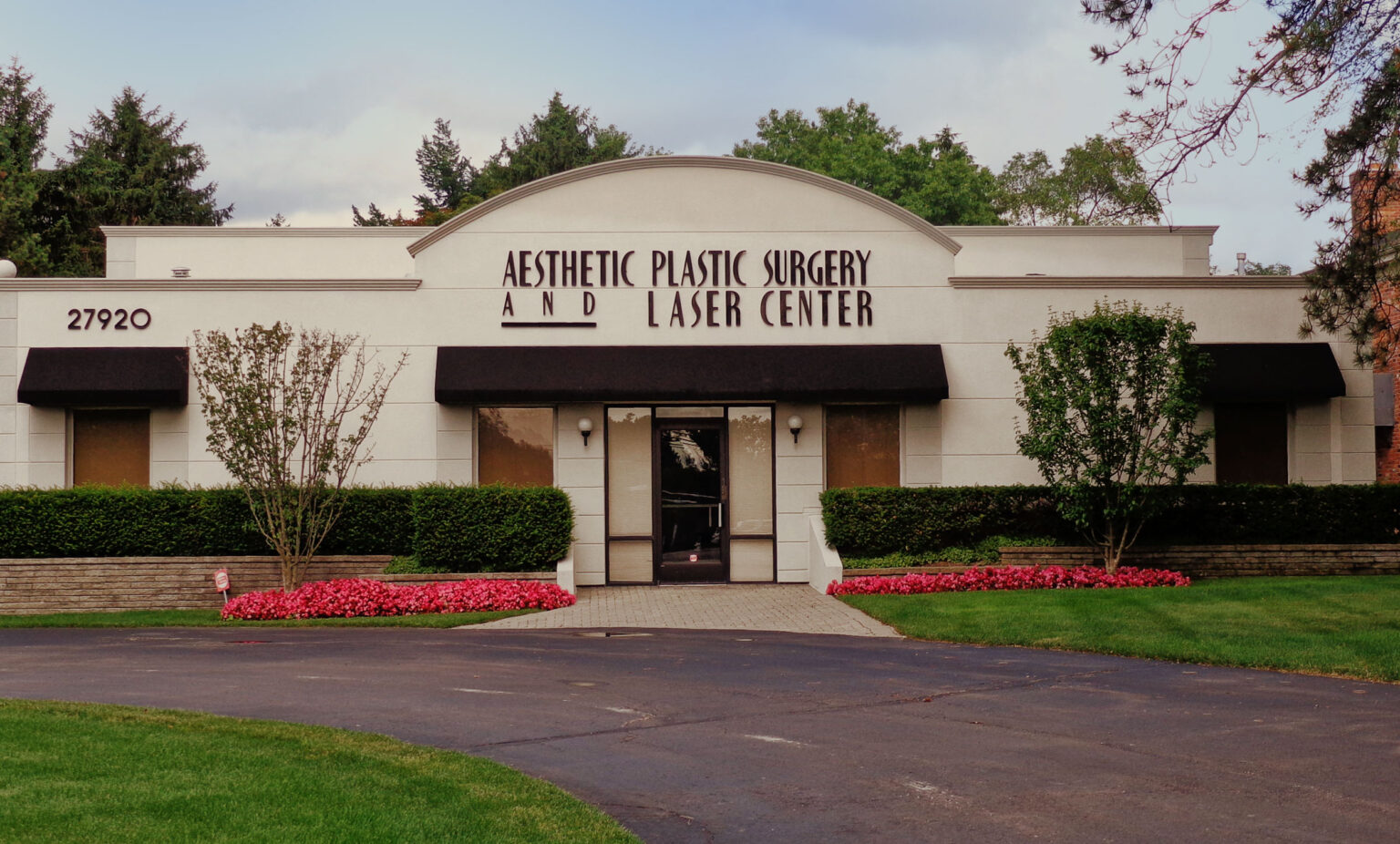
Aesthetic Plastic Surgery & Laser Center, Michelle Hardaway M.D.
27920 Orchard Lake Rd, Farmington Hills, MI 48334, United States
+1 248-221-1957
FAQ About Liposuction Michigan
Is 55 too old for liposuction?
Age 55 alone does not determine suitability. A surgeon evaluates overall health, skin quality, healing risks, and realistic goals. A personal consultation is needed to assess candidacy and discuss alternatives.
What happens 10 years after liposuction?
Contour improvements can last, especially with stable weight. Aging, pregnancy, and weight changes can alter the appearance over time. Results vary, and liposuction does not prevent future body changes.
Can lipo get rid of an apron belly?
Liposuction reduces localized fat but does not remove hanging excess skin. An apron belly may require assessment for a skin-removal procedure instead of, or alongside, fat removal. A qualified plastic surgeon can explain appropriate options and their risks.