Liposuction Michigan for Flanks, Hips, and Midsection Shaping
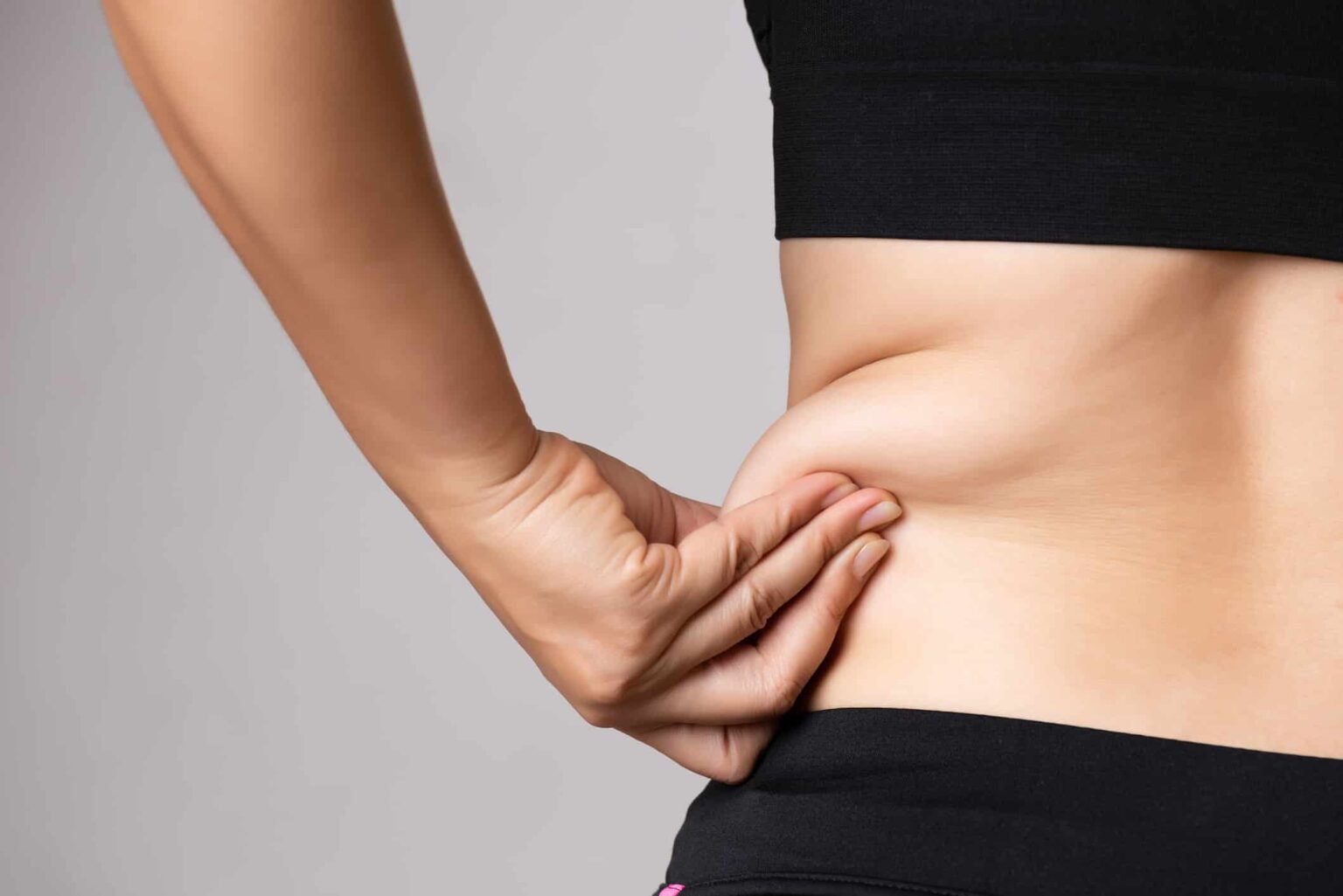

Body contouring around the waist has a way of becoming personal. Many people can maintain a stable weight, exercise regularly, and still feel frustrated by fullness at the flanks, softness through the lower abdomen, or heaviness over the hips that does not seem to respond the way the rest of the body does. This is where liposuction can be useful, not as a substitute for weight loss, but as a precise shaping procedure for areas that tend to hold on to fat despite good habits.
When patients ask about Liposuction Michigan practices often perform for the waistline, the conversation usually centers on proportion. Most are not asking to become dramatically smaller overnight. They want their Liposuction Michigan clothing to fit more cleanly. They want less spillover above the waistband. They want the curve from ribcage to hip to look smoother from the front and more balanced from the side. In many cases, the goal is not a radically different body. It is a version of their body that feels more in sync with the work they are already putting in.
The flanks, hips, and midsection are among the most commonly treated zones because they define the silhouette so strongly. A small change there can shift the entire way the torso looks. Good contouring in these areas can make the waist appear narrower, the hips more even, and the lower body more proportional without touching every adjacent area. That said, these are also regions where judgment matters. Aggressive suction is not always better. Symmetry, skin quality, and how each zone transitions into the next matter more than the raw number of cubic centimeters removed.
Why these areas are so stubborn
Fat distribution is influenced by genetics, hormones, age, and sex. That is why two people at the same height and weight can carry fullness in completely different places. Around the midsection especially, there is often a frustrating mismatch between effort and visible result. A patient may lose twenty pounds and still feel like the lower abdomen or flanks stayed behind.
The flanks, often called love handles, can create width from the back and from the three-quarter view. Even when the abdomen looks fairly flat from the front, prominent flanks can blur waist definition. Hips can be a separate issue. Some patients have fullness over the outer hip that makes pants pull awkwardly or creates a boxier silhouette. Others have more circumferential fullness, where the lower abdomen, waist, and hip blend together without much contour change.
The midsection is more complicated because not all abdominal fullness is the same. There is superficial fat, which liposuction can address, and there is deeper visceral fat inside the abdominal cavity, which it cannot. This distinction matters. Someone may be a strong candidate for liposuction to improve contour but still not achieve a perfectly flat abdomen if there is significant internal fullness or skin laxity. Experienced surgeons spend a lot of time during consultation explaining that difference because it directly shapes the result.
What liposuction can actually improve
At its best, liposuction is a sculpting procedure. It reduces localized fat and reshapes transitions between areas. In the torso, that often means narrowing the waistline, reducing bulges at the flanks, softening outer hip fullness, and refining the upper and lower abdomen so the body looks more balanced in fitted clothing.
The improvements tend to be most striking in patients with good skin elasticity. When skin has enough recoil, it can contract over the newly contoured area and reveal a cleaner outline. A patient in their thirties with firm skin and isolated flank fat may see a very crisp waist improvement. A patient in their fifties with moderate skin looseness may still benefit, but the visual change will depend as much on skin behavior as on fat removal.
This is one of the most important real-world points: contour surgery is about harmony, not just subtraction. Removing too much fat from the flanks without considering the abdomen can create a hollowed look from certain angles. Treating the lower abdomen without blending into the hips can leave an abrupt transition that catches light in an unflattering way. Surgeons who do this well think in three dimensions. They evaluate standing posture, torso length, pelvic width, and where natural shadows fall.
The anatomy of waist shaping
The waist is not one isolated area. It is the relationship between the upper abdomen, lower abdomen, flanks, lower back, and hips. If one of those areas remains fuller than the others, it can dominate the eye.
For example, a patient may come in saying, “My stomach is the issue,” but when examined, the lower abdomen is only part of the picture. The flanks may contribute more to the sense of thickness than the front of the torso does. Treating only the abdomen in that situation might reduce some projection but still leave the body looking square. On the other hand, carefully reducing the flanks and blending the posterior waist can make the abdomen look better even without aggressive front-side treatment.
The outer hips require another layer of caution. In some bodies, especially curvier ones, a certain amount of hip fullness is attractive and proportional. Over-reduction can flatten the silhouette in a way that feels unnatural. There is also the issue of hip dips, which are a structural feature related to bone shape and muscle contour rather than a simple fat problem. Liposuction does not erase every contour interruption, and trying to force the anatomy can backfire.
Who tends to be a good candidate
The best candidates are usually close to a stable, maintainable weight and have localized fat deposits that have not responded the way they hoped to diet and exercise. They also have realistic expectations about what contouring can and cannot do.
A few signs often point toward a smoother process and a stronger result:
- Weight has been relatively stable for several months.
- Skin still has fair to good elasticity in the treatment area.
- The concern is contour, not large-scale weight reduction.
- Overall health is good enough for elective surgery and recovery.
- The patient understands that asymmetry and anatomy place real limits on perfection.
There are edge cases worth discussing. Some postpartum patients are excellent candidates for flank and waist contouring but may need more than liposuction if skin laxity or abdominal muscle separation is significant. Some men seek treatment for a thicker waistline and can do very well, though their fat pattern and skin quality often differ from female patients. Patients after major weight loss may need excisional procedures, not just liposuction, because loose skin can become more Liposuction Michigan apparent once fat volume is reduced.
The consultation matters more than most people expect
A good consultation is not a sales pitch. It is a planning session. Measurements may not be as important as visual analysis, pinch thickness, skin recoil, and candid discussion about goals. Surgeons will usually assess the abdomen standing and lying down, look at how fat is distributed circumferentially, and identify where there is enough subcutaneous fat to make liposuction worthwhile.
This is also where expectations get calibrated. One patient might want a subtle reduction to fit into work clothes better. Another might want a sharper hourglass effect. Neither goal is inherently wrong, but they require different strategies, and not every anatomy can support every aesthetic.
Patients are often surprised by how much the surgeon focuses on what should not be removed. Preserving smoothness is essential. Natural-looking contour usually comes from selective reduction, feathering at the borders, and respecting the body’s underlying framework. An overtreated torso may look lean in one mirror and irregular in another. That is why the most skilled results rarely look “done.” They simply look more balanced.
Techniques and how they influence the result
Most modern liposuction relies on small cannulas and tumescent fluid to improve comfort, minimize bleeding, and allow controlled fat removal. Beyond that, techniques vary. Some surgeons use power-assisted devices, some incorporate ultrasound or laser-based technologies in selected cases, and some prefer a more traditional manual approach depending on the area and tissue quality.
For the flanks and waist, precision usually matters more than novelty. Fibrous tissue around the torso can behave differently from softer fat in other parts of the body. The lower back and flank region in particular often benefits from careful, layered treatment. Too superficial and irregularities become more likely. Too deep and the sculpting effect may be underwhelming.
Patients sometimes ask whether one branded technology is definitively better than another. In practice, the operator usually matters more than the machine. Device marketing tends to overpromise. A thoughtful surgical plan, consistent technique, and disciplined postoperative care have more influence on outcome than a flashy label.
Liposuction is not a shortcut for visceral belly fullness
This deserves its own section because it comes up so often. If the abdomen is firm, rounded, and projects outward in a way that seems to come from inside rather than from pinchable surface fat, liposuction may offer limited change. The procedure targets subcutaneous fat under the skin, not the deeper intra-abdominal fat behind the muscles.
That distinction becomes obvious in consultation. A patient may be slim through the flanks and still have a central abdominal projection that is not ideal for liposuction alone. In that case, honest guidance matters. Sometimes the right answer is modest contouring with carefully framed expectations. Sometimes the better answer is to wait, work on overall metabolic health, or discuss other procedures if loose skin or muscle separation is the real issue.
When patients understand this upfront, satisfaction is usually much higher. The disappointment often comes not from a poor technical result, but from a mismatch between what was possible and what was imagined.
What recovery really looks like
Recovery from liposuction of the flanks, hips, and midsection is often manageable, but it is still surgery. Patients should expect soreness, swelling, fluid shifts, and temporary contour changes before the final shape emerges. The first week usually feels more like deep bruising and stiffness than sharp pain. Getting in and out of bed, twisting, and pulling on fitted clothes can be awkward at first.
Compression garments are commonly part of recovery. They help support the tissues and can make movement more comfortable, though opinions vary on exactly how long they should be worn. Swelling often peaks early and then improves gradually. The torso can look puffier before it looks better, which catches some patients off guard. A waistline that eventually becomes more defined may appear temporarily thick and uneven while healing is still active.
A practical recovery checklist usually includes:
- Plan for several days of reduced activity, even if pain seems modest.
- Wear the recommended compression as directed, not just when convenient.
- Walk regularly to keep circulation moving, but avoid intense workouts too soon.
- Keep expectations patient, because shape changes continue for weeks to months.
- Contact the surgical team promptly if swelling becomes one-sided, severe, or unusual.
Most people can return to desk work fairly quickly, often within several days to a week depending on the extent of treatment and how they feel. More strenuous activity generally takes longer. Bruising may fade within a couple of weeks, but residual swelling can linger far beyond that. It is common for patients to judge the result too early. At six weeks they often see improvement, but the softening, settling, and refinement may continue for months.
The trade-offs no one should gloss over
Every cosmetic procedure involves trade-offs, and liposuction is no exception. The scars are small, but they exist. Swelling can be stubborn. Temporary numbness is common. Minor asymmetries may persist because bodies are not naturally symmetrical to begin with. Rarely, contour irregularities, prolonged firmness, fluid collections, or healing issues can occur.
The more aggressive the treatment, the more important these trade-offs become. Some patients come in asking for maximum removal because they have wanted this change for years and do not want to “waste” the surgery. That instinct is understandable. Still, restraint often produces the better long-term result. Preserving smoothness and allowing the skin to redrape naturally usually beats chasing every last bit of fullness.
There is also the reality that liposuction does not freeze the body in time. Future weight gain can still affect the treated areas, even if the pattern may shift somewhat. Aging, hormones, and lifestyle still matter. The procedure changes contour, not biology.
What makes the midsection especially nuanced in Michigan practices
The phrase Liposuction Michigan often appears in online searches because patients are not just looking for a procedure. They are looking for a surgeon and setting that fit their needs. In colder climates, there is a practical rhythm to body contouring consultations. Many patients plan around work schedules, family obligations, and seasons when recovery under layers of clothing feels easier. Fall through early spring is often appealing for that reason, though surgery can be done year-round.
Another point worth noting is that patient goals can vary widely by community and demographic. Some want subtle contour that no one can identify as surgical. Others are more focused on athletic waist definition or restoring shape after pregnancy. Experienced practices tend to adjust the plan to the patient rather than funnel everyone toward the same look.
That individualized approach matters in areas like the flanks and hips because ideals differ. One patient wants a straighter silhouette. Another wants a more pronounced inward waist curve. Another mainly wants to stop fighting with the top of their jeans. Surgical planning should reflect that specificity.
Combining procedures, when it helps and when it does not
Liposuction of the waist is sometimes combined with other procedures, but combination surgery should be approached thoughtfully. If the main problem is excess skin or muscle laxity after pregnancy, liposuction alone may disappoint. In those cases, an abdominoplasty may be more appropriate, sometimes with selective liposuction to improve surrounding contour. If the concern is isolated flank fullness with good skin tone, adding more procedures can create unnecessary recovery without improving the result much.
There is also a tendency among some patients to think every adjacent area must be treated at once. That is not always wise. A longer operative plan may increase swelling and complexity, and it can blur whether each area truly needed intervention. Sometimes a focused waist contouring procedure gives enough improvement that additional surgery becomes unnecessary.
This is where experienced judgment earns its value. Good surgeons know when to say yes, but they also know when to say, “That extra area is not likely to help you enough to justify doing it.”
What a strong result usually looks like
A strong liposuction result in the flanks, hips, and midsection is often less dramatic than social media suggests, and that is usually a good thing. The waist appears cleaner from multiple angles. Clothes skim rather than grab. The side view looks lighter. The back view has less overhang above the waistband. The lower abdomen may not be perfectly flat, but it looks more proportional to the rest of the torso.
Patients often describe the benefit in practical, not theatrical, terms. Dresses zip more easily. Tailored jackets hang better. They stop tugging at tops after sitting down. A patient who previously avoided mid-rise pants may suddenly find them comfortable. These details might sound small, but they are often the reason people sought surgery in the first place.
The best outcomes also age well because they respect anatomy. A torso that has been sculpted conservatively and smoothly tends to remain believable and attractive over time. That matters far more than a trendy look that depends on aggressive removal and perfect lighting.
Questions worth asking before moving forward
If someone is considering treatment, the most useful questions are often straightforward. How often does the surgeon treat the flanks and circumferential waist? What result is realistic for this specific anatomy? Is skin elasticity good enough to support liposuction alone? Where will the access points be placed? What does the surgeon consider a successful endpoint during the operation? How long before swelling settles enough to judge the result?
Those questions shift the conversation away from generic promises and toward the details that actually shape outcomes. A thoughtful answer should sound measured, not overly polished. Cosmetic surgery done well always involves a little humility because biology does not always read the brochure.
A measured path to waistline refinement
For the right patient, liposuction of the flanks, hips, and midsection can be one of the most rewarding contouring procedures because the waist influences the entire body’s appearance. The key is not simply removing fat. It is selecting the right candidate, identifying the real source of fullness, respecting skin quality, and planning the torso as a connected whole.
That is the difference between a result that looks natural in everyday life and one that feels forced. Patients searching for Liposuction Michigan options should look for careful assessment, specific communication, and a surgeon who understands that shaping the waist is equal parts technical skill and restraint. When those pieces line up, even modest changes around the midsection can make a meaningful difference in proportion, clothing fit, and confidence.
Aesthetic Plastic Surgery & Laser Center, Michelle Hardaway M.D.
27920 Orchard Lake Rd, Farmington Hills, MI 48334, United States
+1 248-221-1957
FAQ About Liposuction Michigan
Is 55 too old for liposuction?
Age 55 alone does not determine suitability. A surgeon evaluates overall health, skin quality, healing risks, and realistic goals. A personal consultation is needed to assess candidacy and discuss alternatives.
What happens 10 years after liposuction?
Contour improvements can last, especially with stable weight. Aging, pregnancy, and weight changes can alter the appearance over time. Results vary, and liposuction does not prevent future body changes.
Can lipo get rid of an apron belly?
Liposuction reduces localized fat but does not remove hanging excess skin. An apron belly may require assessment for a skin-removal procedure instead of, or alongside, fat removal. A qualified plastic surgeon can explain appropriate options and their risks.