Can Liposuction Michigan Complement Your Fitness Routine?
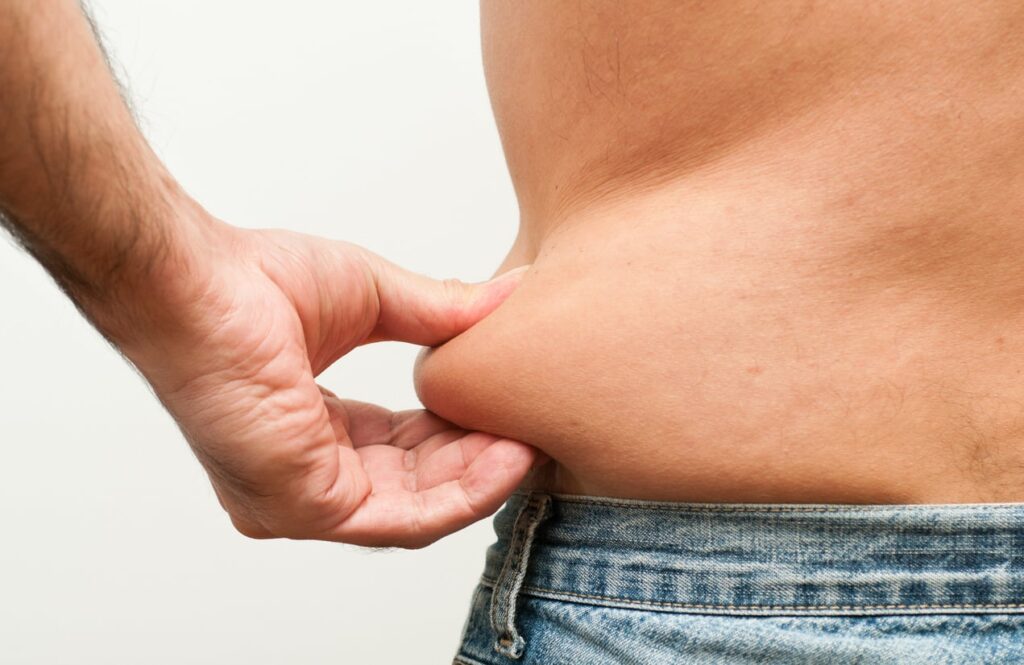
People often frame body contouring and exercise as if they belong on opposite sides of a debate. In practice, they solve different problems. A consistent fitness routine improves cardiovascular health, mobility, strength, blood sugar control, mood, and long-term resilience. Liposuction addresses something narrower and more stubborn: localized fat deposits that may not respond the way a patient expects, even after months or years of disciplined training and reasonable nutrition.
That distinction matters. Someone can be lean, active, and metabolically healthy, yet still carry fullness at the lower abdomen, flanks, upper arms, or under the chin. Another person may have lost a significant amount of weight and feel stronger than ever, but remain frustrated by isolated pockets that distort how clothes fit. In cases like these, liposuction is not a substitute for fitness. It can, however, complement a well-established routine by refining contours that exercise alone cannot reliably reshape.
For many adults exploring Liposuction Michigan options, the real question is not whether surgery replaces the gym. It does not. The better question is whether body contouring can fit sensibly into a broader health strategy without undermining the habits that created progress in the first place. In the right patient, under the right circumstances, the answer is yes.
What liposuction actually does, and what it does not
Liposuction removes fat from targeted areas to improve shape and proportion. That sounds simple, but the nuance is important. It is not designed to produce major weight loss, and it is not a treatment for obesity. Most patients are surprised by how modest the scale change can be compared with the visual difference in contour. A few pounds removed strategically from the waist or thighs can change the line of clothing more than a much larger shift in overall body weight.
This is why liposuction and fitness often intersect. Exercise changes body composition over time, especially when paired with adequate protein intake, sleep, and progressive resistance training. But exercise does not let a person choose exactly where fat loss occurs. Genetics, hormones, age, previous pregnancies, and the normal pattern of fat distribution all influence which areas slim down first and which seem to hold Liposuction Michigan on.
A patient may lose twenty or thirty pounds and still feel bothered by fullness at the outer thighs. A man who trains four days a week may build solid abdominal strength but retain a soft lower belly. Someone entering perimenopause may notice changes around the midsection despite stable habits. These are the cases where liposuction can complement a fitness routine rather than compete with it.
What it does not do is improve stamina, lower resting heart rate, increase bone density, or build muscle. It cannot correct poor eating patterns or erase the consequences of a sedentary lifestyle. If someone is hoping liposuction will create the discipline to work out, the sequence is backward. The best candidates usually already have stable routines and realistic expectations.
The fitness advantage some patients do not expect
When people talk about cosmetic procedures, they tend to focus on appearance. That is understandable, but incomplete. In real life, body image and behavior influence each other. When a patient feels that months of disciplined effort are finally visible, adherence often gets easier. The person who previously wore oversized shirts to the gym may start training with more confidence. The runner who felt self-conscious in fitted athletic wear may stop avoiding group classes. The patient who hated how waistbands cut into the lower abdomen may find everyday movement more comfortable.
That shift is not magic, and it is not universal, but it is common enough to be worth discussing honestly. Confidence can support consistency. Consistency, in turn, protects results.
I have seen versions of this pattern many times in surgical practices. A patient does everything right on paper, strength training, meal prepping, walking daily, staying within a healthy weight range, yet remains fixated on one area that never seems to change. After recovery, the person often describes less mental friction around exercise. It becomes easier to stay engaged when the mirror finally reflects the effort already being made.
There is, however, a trade-off. If a patient expects liposuction to deliver the body of someone with a dramatically different frame, muscle mass, or skin quality, disappointment follows quickly. The procedure can refine shape, not rewrite anatomy.
When liposuction makes sense for active adults
The strongest candidates tend to share a few characteristics. They are already physically active or at least capable of maintaining regular activity after healing. Their weight has been relatively stable for several months. They have specific areas they want addressed, rather than a broad hope of “looking thinner everywhere.” They understand that skin elasticity matters. And they are prepared to treat the procedure as one part of a larger maintenance plan.
Here is where good clinical judgment matters more than marketing language. An athletic patient with dense, fibrous fat at the flanks may do very well. A postpartum patient close to goal weight but bothered by abdominal fullness may also benefit, though skin laxity and muscle separation sometimes point toward a different procedure or a combination approach. A person with significant visceral fat, the deeper abdominal fat around organs that contributes to a protruding belly, may not see the kind of flattening they expect from liposuction alone, because that fat is not what standard liposuction removes.
This is one of the most important counseling points, and it often gets missed in casual conversations. Not all abdominal fullness is the same. Subcutaneous fat, the pinchable layer under the skin, can often be treated. Visceral fat cannot. If someone has a firm, rounded abdomen despite being unable to pinch much external fat, surgery may offer less change than expected.
The role of recovery in an exercise-centered lifestyle
Active patients tend to ask one practical question sooner than anything else: When can I get back to the gym?
The answer depends on the extent of treatment, the body area involved, the surgical technique used, and the individual’s healing pattern. Light walking usually begins very early, often within a day or two, because circulation supports recovery and helps reduce stiffness. More vigorous exercise, especially running, lifting, core work, or high-intensity interval training, generally has to wait. Many patients can resume some moderate activity within a couple of weeks, but full return to strenuous training often takes longer, commonly around three to six weeks, sometimes more when larger areas are treated.
That timeline can frustrate disciplined exercisers. The irony is that the patients most committed to fitness are sometimes the ones who need the strongest reminder not to rush. Swelling, tenderness, fluid shifts, compression garments, and temporary fatigue are part of the process. Pushing too hard too early can prolong discomfort and interfere with healing.
A sensible return often looks like this:
- Early walking for circulation, several short sessions a day.
- Gradual return to low-impact movement once cleared by the surgeon.
- Delayed reintroduction of heavy lifting and intense core engagement until tenderness and swelling have improved.
- Careful attention to hydration, protein intake, and sleep during the recovery window.
- Patience with temporary scale fluctuations caused by swelling.
Patients who respect this phase usually do better both physically and mentally. They are less likely to panic over transient bloating or reduced performance, and more likely to return to training without setbacks.
Why stable habits matter more than the procedure itself
Liposuction removes fat cells from the treated area, which is why results can be long-lasting. But “long-lasting” is not the same as “untouchable.” If a patient gains a meaningful amount of weight after surgery, remaining fat cells can still enlarge. Body shape may still stay somewhat improved relative to baseline, but the crispness of the contour softens.
That is why the best long-term results belong to people with durable routines. A regular strength program helps maintain muscle, which supports a firmer overall look. Cardio and daily movement help with energy balance and cardiovascular health. Thoughtful eating patterns make weight fluctuations less dramatic. None of this has to be extreme. In fact, extremes are usually the problem. The patient who follows a punishing eight-week plan, gets great short-term results, then rebounds is less well positioned than the patient with boring, repeatable habits.
A practical way to think about it is this: liposuction can change your starting outline, but your daily routine determines how well that outline holds over time.
The Michigan factor: climate, lifestyle, and timing
When people look into Liposuction Michigan practices, the decision is often influenced by local lifestyle realities more than they first realize. Michigan seasons can shape both scheduling and recovery. Winter procedures appeal to patients who prefer healing in loose layers and spending more time indoors while swelling settles. Spring scheduling can suit those hoping to be fully active and comfortable in lighter clothes by summer. Busy parents often target quieter windows between sports seasons, school obligations, and family travel.
Climate affects exercise habits, too. Someone who typically walks outdoors year-round may need an indoor backup during the early recovery phase, especially if icy conditions make balance harder. A runner accustomed to training for spring races might choose a surgical date that avoids conflict with a major training cycle. These are not minor details. The smoothest recoveries usually happen when the procedure fits the rhythm of a patient’s actual life, rather than interrupting a season of heavy physical demands.
Common misconceptions that trip people up
One misconception is that fitter patients recover instantly. They often recover well, but fitness does not eliminate swelling or tenderness. A highly active body still needs time to heal.
Another is that liposuction creates muscle definition on its own. It does not build abdominal lines or sculpt glutes the way strength training does. If the underlying musculature is underdeveloped, removing a small layer of fat may not reveal the “toned” look a patient imagines. Muscle shape still comes from training.
A third misconception is that more fat removal is always better. Aggressive removal can increase contour irregularities, skin adherence issues, or an overdone appearance, especially in lean patients. Skilled surgeons know that restraint is often what creates the most natural result.
A final misconception is that every stubborn area should be treated. Not necessarily. Sometimes a narrow, strategic approach produces a better overall contour than trying to chase every small asymmetry. Human bodies are not perfectly symmetrical, and surgery should respect that.
How to judge whether the timing is right
The timing question is less about age than about readiness. A patient in their thirties who is still losing weight, considering pregnancy, or rebuilding habits after a demanding life stretch may want to wait. A patient in their fifties with stable health, a reliable exercise routine, and a clear goal may be perfectly timed.
The right moment often comes when a few conditions line up. Weight is stable. Health markers are reasonably controlled. Exercise is already routine rather than aspirational. The target area has remained stubborn for a while. And the patient can realistically protect recovery time without trying to “sneak” surgery into an impossible schedule.
If any of those pieces are missing, the result may still be good, but the path gets harder.
Questions worth asking at a consultation
Patients get better outcomes when they ask specific questions instead of broad ones. “Am I a candidate?” is a start, but it opens the door to generalities. More useful questions tend to be focused and practical.
You might ask the surgeon how much of your concern comes from subcutaneous fat versus skin laxity. Ask what kind of improvement is realistic in fitted workout clothing, not just in posed before-and-after photos. Ask when you can return to lifting, running, yoga, or cycling based on the exact areas being treated. Ask what temporary changes in swelling are typical at two weeks, six weeks, and three months. Ask whether your current weight is a good operating point or whether a modest additional loss would improve the result.
Those details matter because they connect the procedure to your actual routine rather than an abstract idea of fitness.
Where nutrition fits after surgery
Recovery nutrition does not need to become a science project, but it should be taken seriously. Patients often underestimate how much healing taxes the body. Protein supports tissue repair. Hydration matters, especially when wearing compression garments and resuming activity. Excess sodium and alcohol can worsen swelling for some people. Severe calorie restriction right after surgery is usually a mistake. The body needs resources to heal.
This is another point where active adults sometimes sabotage themselves. They are used to controlling intake tightly, and they interpret temporary inactivity as a reason to cut calories aggressively. That can leave them drained, irritable, and slower to recover. A short period of reduced training is not the moment for crash dieting.
The emotional side of “almost there”
There is a particular kind of frustration that comes from feeling almost at your goal. Not far away, just nearly there, but with one stubborn area that continues to dominate how you see your body. People who have never dealt with that often dismiss it as vanity. In clinical reality, it is usually more complicated. The person is not chasing perfection. They are trying to reconcile visible effort with visible result.
Liposuction can be very effective in that narrow emotional space because it addresses a mismatch that exercise alone cannot always fix. Still, the healthiest motivation is usually not self-criticism. Patients who do best tend to approach the procedure from a place of refinement, not punishment. They are not trying to “fix” a failed body. They are trying to fine-tune a body they already care for.
That mindset influences recovery, satisfaction, and long-term maintenance more than many realize.
Signs the procedure may not complement your routine, at least not yet
There are times when postponing is the better call. If your weight is swinging up and down, if you are just beginning a fitness journey, or if your expectations center on dramatic total-body transformation, surgery can create more frustration than relief. The same is true if you are hoping liposuction will motivate habits that have not yet taken hold.
A few red flags are worth taking seriously:
- You expect surgery to replace exercise or nutrition.
- Your weight has changed significantly in recent months.
- You are focused on scale loss rather than contour.
- You cannot realistically make room for recovery.
- You expect perfect symmetry or instant final results.
These situations do not always mean “never,” but they often mean “not yet.”
The bottom line for active patients
For the right person, liposuction can absolutely complement a fitness routine. It works best when exercise has already done the heavy lifting, literally and figuratively, and the remaining concern is a localized area that has not responded despite sustained effort. It is a contouring procedure, not a shortcut to health. It can sharpen the visible payoff of disciplined habits, improve proportion, and in some cases make patients feel more confident staying active.
The key is alignment between goals, anatomy, timing, and expectations. If you are considering Liposuction Michigan providers, look for a surgeon who speaks plainly about what can and cannot be changed, who asks detailed questions about your lifestyle, and who treats your training routine as part of the surgical plan rather than an afterthought.
The patients happiest with their results are rarely the ones looking for an escape hatch. They are usually the ones who have already built a solid foundation and want a targeted solution for the last stretch that effort alone has not solved.
Aesthetic Plastic Surgery & Laser Center, Michelle Hardaway M.D.
27920 Orchard Lake Rd, Farmington Hills, MI 48334, United States
+1 248-221-1957
FAQ About Liposuction Michigan
Is 55 too old for liposuction?
Age 55 alone does not determine suitability. A surgeon evaluates overall health, skin quality, healing risks, and realistic goals. A personal consultation is needed to assess candidacy and discuss alternatives.
What happens 10 years after liposuction?
Contour improvements can last, especially with stable weight. Aging, pregnancy, and weight changes can alter the appearance over time. Results vary, and liposuction does not prevent future body changes.
Can lipo get rid of an apron belly?
Liposuction reduces localized fat but does not remove hanging excess skin. An apron belly may require assessment for a skin-removal procedure instead of, or alongside, fat removal. A qualified plastic surgeon can explain appropriate options and their risks.