Body Contouring Farmington Hills: Understanding the Benefits of Innovation
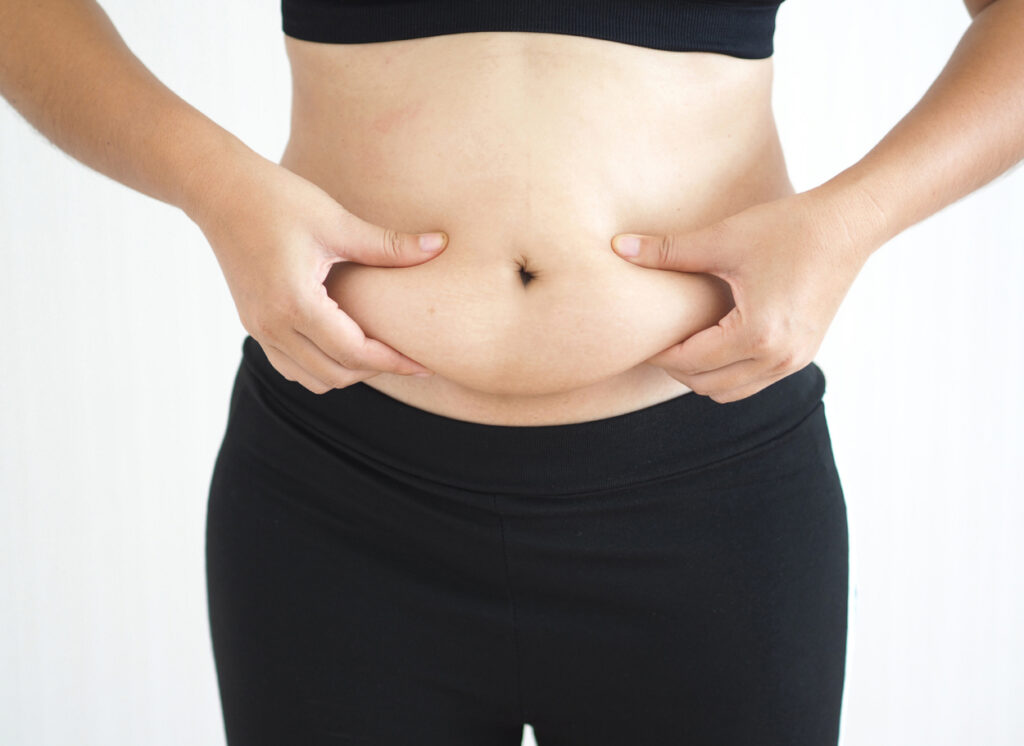
Body contouring has changed dramatically over the past decade, and that shift is especially meaningful for people who want visible improvement without committing to a major surgical recovery. In places like Farmington Hills, where patients often balance demanding work schedules, family responsibilities, and active social lives, innovation matters because convenience matters. Results still matter most, of course, but the path to those results has become far more flexible.
When people hear the phrase body contouring, they sometimes picture one narrow category of cosmetic treatment. In practice, it covers a broad range of approaches designed to reduce stubborn fat, improve shape, tighten tissue, and refine areas that do not respond the way someone hoped they would to diet and exercise alone. The innovation piece is what makes the subject worth understanding. Newer technologies have expanded options for different body types, different goals, and different comfort levels with downtime.
That matters because contouring is not just about removing volume. It is about proportion. A patient may not want to be “smaller” everywhere. They may want a cleaner waistline, a smoother lower abdomen, less fullness under the chin, or better definition around the flanks. Those distinctions are where technique, device selection, and clinical judgment become important.
Why innovation changed the body contouring conversation
For years, body contouring was widely associated with surgery, operating rooms, anesthesia, drains, compression garments, and weeks of visible recovery. Surgical procedures still have an important role, especially when someone needs dramatic fat reduction or skin removal. But innovation has filled the large middle ground between doing nothing and having surgery.
That middle ground includes treatments that use controlled cooling, radiofrequency energy, ultrasound, laser-assisted technology, muscle stimulation, or combinations of those approaches. Some methods target fat cells directly. Others stimulate collagen and elastin to improve laxity. Some are designed for circumferential reduction, while others are best for smaller problem spots. The practical benefit is choice.
Choice is useful because patients rarely present with a single concern. A woman in her late forties may have modest abdominal fullness, mild loose skin after pregnancies, and a little volume at the bra line. A man in his thirties may be lean overall but frustrated by flanks that never slim down. Another patient may have lost 40 pounds and feel proud of the progress, yet still notice tissue laxity around the abdomen and thighs. Innovation allows providers to tailor a plan rather than force every body into the same treatment model.
In the context of Body Contouring Farmington Hills, this matters because a suburban patient population is often looking for treatments that fit real life. They want improvement they can see, but they also want to drive themselves home, return to work quickly, and avoid the logistics of an extended recovery if possible.
What body contouring can realistically improve
There is a lot of confusion about what contouring does well and what it does not do well. A good consultation clears that up quickly.
Body contouring can be very effective for stubborn fat pockets that persist even when weight is stable. Common areas include the lower abdomen, upper abdomen, flanks, inner thighs, outer thighs, upper arms, back, and under the chin. Depending on the technology, it can also improve mild to moderate skin laxity and create a firmer look by stimulating collagen remodeling over time.
What it does not do, at least not reliably, is serve as a primary weight-loss strategy. Someone who is hoping to lose 30 or 40 pounds is usually better served by a broader medical, nutritional, or fitness plan first. Contouring tends to work best when a person is close to a sustainable weight and wants to refine shape rather than start the entire process.
This distinction is one of the most important parts of patient satisfaction. When expectations match the treatment, people tend to feel pleased with the changes. When expectations are inflated, even a technically successful treatment can feel disappointing.
A useful way to think about it is this: body contouring is generally better at improving silhouette than changing identity. It can sharpen the way clothing fits, make exercise progress more visible, and reduce those frustrating areas that seem resistant to effort. It usually does not turn one body type into a completely different one.
The appeal of non-surgical options
The rise of non-surgical contouring is not just about marketing. There are practical reasons these treatments have become popular.
First, many people do not need surgery. If a patient has a relatively small amount of localized fat and fairly good skin elasticity, a non-invasive or minimally invasive option may offer enough improvement to justify the investment. Not every concern requires the biggest intervention available.
Second, downtime often determines whether someone pursues treatment at all. A teacher may be able to schedule a session on a Friday and return to work Monday. A small business owner may not have the luxury of taking two weeks off. A parent with young children may simply not be able to recover the way surgery would require. Treatments that respect those realities naturally gain traction.
Third, innovation has made outcomes more predictable in carefully selected cases. Early generations of many aesthetic devices were less refined. Some produced inconsistent changes or required more sessions than patients expected. Newer systems, stronger protocols, and better provider experience have helped narrow that gap, though results still depend heavily on candidacy and technique.
There is another point patients appreciate once they understand the process. Non-surgical does not always mean zero recovery, but it often means manageable recovery. A person may feel soreness, temporary swelling, numbness, or tenderness for days or weeks, yet still continue daily routines. That is very different from being functionally limited.
A closer look at the technologies behind modern contouring
Different technologies produce different effects, and understanding that helps explain why one treatment works well for one patient and poorly for another.
Cryolipolysis, commonly described as controlled cooling, targets fat cells by exposing them to temperatures that damage adipocytes more than surrounding tissue. Over time, the body gradually clears those affected fat cells. Patients often like this approach because it is non-surgical and straightforward, though visible change takes time. It is not unusual for results to emerge gradually over several weeks to a few months.
Radiofrequency-based treatments approach contouring from another angle. Some primarily heat tissue to encourage collagen remodeling and skin tightening. Others combine heating with fat reduction or with muscle stimulation. These technologies can be especially useful when laxity is part of the complaint. A patient who says, “I do not only want less fullness, I want things to look tighter,” may be a stronger candidate for this category than for a fat-reduction-only treatment.
Ultrasound systems can also be used to target fat or support tightening, depending on the platform and treatment design. In experienced hands, they can be helpful for focused sculpting. Laser-assisted treatments occupy a different place along the spectrum. Some are minimally invasive, performed through very small access points, and can provide a more aggressive effect than fully external devices while still offering less disruption than traditional surgery.
Muscle stimulation platforms introduced another shift in the conversation. These are not fat-reduction treatments in the classic sense, but they can enhance muscle tone and improve the appearance of certain areas, particularly the abdomen or buttocks, in selected patients. Their role is often supportive rather than standalone. Someone with significant abdominal fat will not get the best value from muscle stimulation alone, but in a leaner patient seeking more definition, it may be a reasonable component of a larger plan.
The key point is that innovation did not produce one perfect machine. It produced a broader toolkit. Better outcomes usually come from matching the right tool to the right anatomy, not from assuming that the newest device is automatically the best one.
The benefits patients notice beyond the mirror
Visible change is the obvious benefit, but it is rarely the only one patients talk about after contouring.
One of the most common comments is that clothes fit better. Waistbands sit more comfortably. Fitted dresses or shirts hang more cleanly. Patients sometimes describe this as finally seeing their efforts reflected in how they look dressed, not just undressed. That may sound minor, but it matters. People live most of their lives in clothing, at work, at school events, out to dinner, or running errands.
Confidence also improves, though the best kind is usually quiet. It is not always a dramatic before-and-after reveal. More often, it is a patient who stops tugging at a top, feels less self-conscious in photos, or enjoys shopping again. Those are not superficial details. They affect how people move through ordinary situations.
Another practical benefit is motivation. It is not uncommon for a patient who sees early contour improvements to become more consistent with exercise and nutrition. Once a stubborn area starts to improve, the work feels more rewarding. That said, a good provider never sells body contouring as a substitute for lifestyle habits. It tends to work best as a complement to them.
There is also value in precision. A person can lose weight globally, but they cannot selectively lose it from the exact area that bothers them most. Contouring addresses that frustration directly. If someone is already doing the right things and still carrying a pocket of fullness at the lower abdomen or outer thigh, technology can sometimes accomplish what discipline alone cannot.
Why patient selection matters more than marketing
This is where professional judgment separates a good experience from an expensive disappointment. The most important innovation in aesthetics may not be the machine itself, but the growing emphasis on candidacy.
A strong candidate usually has stable weight, realistic expectations, and a concern that matches the strengths of the chosen treatment. Skin quality matters. Fat thickness matters. Age matters less than tissue behavior, though age can influence elasticity. Medical history matters too, especially if someone has had prior surgery, hernias, implanted devices, significant scarring, or conditions that affect healing.
Patients often assume that “more treatment” means better results. That is not always true. Sometimes a provider should recommend a series of sessions. Other times, a patient would be better served by one different modality, or even by postponing contouring until weight stabilizes further. In some cases, the most honest answer is that surgery would likely produce the result the patient wants more efficiently than repeated non-surgical treatments.
A trustworthy consultation often includes some version of the following:
- what bothers you most
- what change would feel meaningful to you
- how much downtime can you realistically manage
- what does your current weight trend look like
- are you hoping for refinement or transformation
Those questions sound simple, but they reveal almost everything needed to build a sensible plan.
The Farmington Hills factor
When discussing Body Contouring Farmington Hills, local context is worth mentioning because aesthetic decisions are shaped by lifestyle. Farmington Hills includes a broad mix of professionals, families, and active adults who tend to value treatments that are efficient, discreet, and practical. That often translates into interest in options with limited downtime and a measured, natural-looking endpoint.
Patients in this type of community are not usually chasing novelty for its own sake. They want to know whether the treatment works, how uncomfortable it will be, how many sessions it may require, when they will see change, and whether the cost aligns with the likely benefit. Those are exactly the right questions.
There is also a growing sophistication among patients. Many arrive having researched several treatment categories already. That can be helpful, but it can also create confusion when online marketing blurs the line between fat reduction, skin tightening, and muscle toning. A technology can be excellent and still not be the right fit for the issue someone is trying to solve.
Providers serving the Farmington Hills area do well when they focus less on hype and more on treatment matching. Patients generally appreciate candor. If one device can likely reduce an inch or two from a localized area over time, say that. If loose skin may improve modestly but not disappear, say that too. Clear framing builds trust and usually leads to better long-term satisfaction.
What treatment and recovery often look like
The actual experience varies by modality, but most modern contouring sessions are more manageable than people expect. Some treatments involve an initial period of pressure, intense cold, or heat, followed by relative comfort. Others feel like firm contractions if muscle stimulation is involved. Minimally invasive procedures can include local anesthesia, small entry points, and a few days of more noticeable soreness.
Recovery is one of the first places where innovation shows its value. Many patients are back to normal activity quickly, though “normal” should be defined honestly. You may be able to work, drive, and go about your day while still feeling bruised, swollen, numb, or tender. That is still recovery, even if it is not the kind that confines you to bed.
Results also follow different timelines. Fat cell clearance usually takes time. Skin tightening can continue to evolve for weeks or months as collagen remodeling progresses. Patients who understand that timeline are less likely to become discouraged too early.
A practical discussion before treatment should cover these points:
- expected discomfort during the session
- common short-term side effects
- likely number of sessions
- realistic timing for visible results
- what maintenance, if any, may help preserve the outcome
None of this is glamorous, but it is the kind of Body Contouring Farmington Hills information people actually need.
The trade-offs people should consider
No cosmetic treatment is all upside. Innovation improves convenience and expands options, but trade-offs remain.
Non-surgical treatments often require patience. Someone who wants a dramatic, immediate change may find the gradual nature frustrating. The financial structure can also be different from surgery. A series of sessions across multiple areas can add up quickly, and while the upfront commitment may feel smaller, the total investment can still be significant.
Results are also bounded by biology. If skin is very loose, external tightening may help but not fully correct the issue. If a patient has substantial adiposity in an area, a non-invasive treatment may soften it without creating the level of reduction they pictured. This is not a failure of innovation. It is a reminder that every tool has a range where it performs best.
There are edge cases that deserve caution. Very lean patients may need meticulous planning to avoid over-treatment or irregularity. Patients with prior liposuction may have scar patterns or tissue behavior that changes how energy-based treatments respond. Individuals who are actively losing weight may be better off waiting until their baseline is more stable. These details are not minor. They shape outcomes.
Combining treatments for a smarter result
One of the most promising developments in modern body contouring is the strategic combination of treatments. This does not mean piling on services for the sake of revenue. It means recognizing that fat, skin, and muscle are different tissues, and sometimes they need different approaches.
A common example is the abdomen. A patient may benefit from modest fat reduction first, followed by skin-tightening sessions, or alongside a muscle-toning protocol depending on the anatomy. Another example is the postpartum patient whose main complaint is not just lower abdominal fullness, but also laxity and reduced core definition. No single technology addresses all of that equally well.
Combination plans require restraint and sequencing. Doing everything at once is rarely the smartest move. Good fat reduction Farmington Hills providers space treatments appropriately, monitor response, and adjust rather than forcing a preset package. The best aesthetic work often looks simple from the outside because the planning behind it was thoughtful.
How to judge whether a provider is making a sound recommendation
The quality of the recommendation matters as much as the quality of the machine. Patients often focus on brand names, but skill, honesty, and assessment are what protect the result.
A solid provider explains why a treatment fits your concern, what degree of change is realistic, and what alternatives exist, including doing nothing for now. They do not treat every patient as a candidate for the same device. They look at pinchable fat, skin recoil, body proportions, prior procedures, and lifestyle. They also discuss photography, measurement, and follow-up because contour changes can be subtle in day-to-day life and easier to appreciate through consistent documentation.
It is wise to pay attention to language during consultation. If everything is described as dramatic, easy, and universally effective, skepticism is healthy. Body contouring can produce excellent improvement, but it works within limits. A provider who acknowledges those limits is often the one most likely to guide you well.
Where innovation is heading next
The future of body contouring is less about one breakthrough machine and more about refinement. Devices are becoming better at controlling depth, temperature, and energy delivery. Treatment plans are becoming more individualized. The industry is moving toward layered improvement rather than one-dimensional fat reduction.
That shift benefits patients because appearance is layered too. Shape is not determined by fat alone. Skin quality, connective tissue behavior, muscle tone, and skeletal proportion all contribute. Innovation that respects that complexity tends to produce more natural outcomes.
For anyone considering Body Contouring Farmington Hills, the most useful mindset is a practical one. Look for a treatment plan that matches your anatomy, schedule, tolerance for downtime, and expectations. Ask precise questions. Favor clarity over hype. Understand whether you need fat reduction, skin tightening, muscle enhancement, or some combination of the three.
When body contouring is chosen carefully, innovation does exactly what it should do. It makes treatment more precise, more adaptable, and more accessible for people who want measurable improvement without unnecessary disruption. That is a meaningful advance, not because it promises perfection, but because it offers better options for real people with real constraints and specific goals.